
The Most Commonly Underinsured Areas in America

The Hidden Financial Risks Many Families Overlook
Most people assume they are adequately insured. After all, they have homeowners insurance, auto insurance, health insurance, and perhaps life insurance through work. But having insurance and having enough insurance are two very different things.
Across the country, millions of individuals and families are unknowingly underinsured. This means they may have coverage, but not enough to fully protect themselves financially after a major loss.
Unfortunately, people often discover these gaps only after a crisis occurs.
The reality is that rising property values, inflation, medical costs, lawsuits, and changing lifestyles have created significant coverage gaps for many households. A policy that seemed appropriate years ago may now be dangerously outdated.
Understanding the most common areas where people are underinsured can help families avoid devastating financial consequences.
Homeowners Insurance: Replacement Costs Have Increased Dramatically

One of the largest areas of underinsurance involves homeowners coverage.
Many homeowners assume their dwelling coverage reflects the cost to rebuild their home. However, construction costs have risen sharply in recent years due to inflation, labor shortages, and supply chain disruptions.
A policy written years ago may no longer provide enough coverage to fully rebuild the property after a total loss.
In addition, many homeowners fail to account for:
Renovations or additions
Increased material costs
Upgraded finishes
Detached structures
Ordinance and law requirements
Landscaping
Personal property replacement
Another common issue involves assuming market value equals rebuild value. In reality, insurance is based on reconstruction cost, not real estate market pricing.
A thorough annual review can help ensure homeowners coverage keeps pace with changing replacement costs.
Auto Liability Limits Are Often Too Low

State minimum auto insurance requirements are frequently inadequate.
Many drivers carry liability limits that may satisfy legal requirements but would not come close to covering a serious accident.
Consider the financial exposure if someone causes:
Severe injuries
Multiple vehicle damage
Long-term disability
Loss of income claims
Legal defense costs
Medical expenses and lawsuits can quickly exceed low liability limits.
Without adequate coverage, personal assets and future earnings may be at risk.
Higher liability limits and umbrella insurance are often inexpensive relative to the protection they provide.
Umbrella Insurance Is Commonly Missing
Umbrella insurance provides additional liability protection above homeowners and auto policy limits.
Despite its importance, many households either do not have umbrella coverage or carry insufficient amounts.
In today’s litigious environment, lawsuits can arise from:
Auto accidents
Dog bites
Social media activity
Rental properties
Injuries on your property
Recreational vehicles
Watercraft
Teen drivers
Umbrella coverage can help protect savings, investments, future income, and retirement assets from catastrophic liability claims.
For many families, umbrella insurance is one of the most cost-effective ways to increase overall protection.
Disability Insurance Is Frequently Ignored
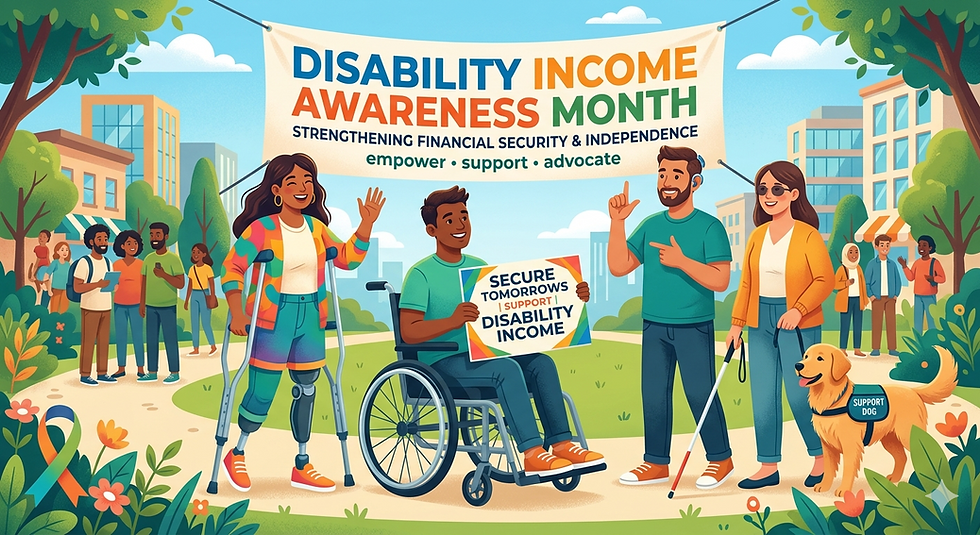
Most people insure their homes, cars, and possessions, yet fail to protect their ability to earn income.
A long-term disability can have devastating financial consequences.
According to industry statistics, the probability of experiencing a disability during working years is higher than many people realize.
Yet many workers rely solely on employer-provided disability coverage, which may:
Replace only a portion of income
Be taxable
End after a limited period
Exclude bonuses or commissions
Fail to cover specialized occupations adequately
Individual disability insurance can help close these gaps and provide stronger income protection.
Life Insurance Through Work May Not Be Enough

Employer-sponsored life insurance is valuable, but it is often insufficient.
Many workplace plans provide only one or two times annual salary.
For a family with children, mortgages, debt, and long-term goals, this amount may fall far short of actual needs.
In addition, employer coverage may not be portable if employment changes.
Families should evaluate:
Income replacement needs
Debt obligations
Education funding goals
Retirement support for surviving spouses
Estate planning needs
A personalized review can help determine whether additional individual coverage is appropriate.
Long-Term Care Costs Are Rising
Long-term care remains one of the largest unfunded risks facing retirees.
Extended care services such as home health care, assisted living, and nursing care can create enormous financial strain.
Many retirees assume Medicare will cover these expenses comprehensively, but Medicare coverage for long-term custodial care is limited.
Without planning, families may face:
Rapid asset depletion
Caregiver stress
Reduced retirement income
Difficult family decisions
Long-term care planning options may include:
Traditional long-term care insurance
Hybrid policies
Asset-based strategies
Self-funding plans
Medicaid planning
The earlier planning begins, the more options may be available.
Business Owners Often Have Significant Gaps
Business owners face unique risks that are frequently overlooked.
Common gaps include:
Inadequate liability coverage
Lack of cyber protection
Missing key person insurance
Insufficient business interruption coverage
Weak succession planning
Limited disability protection
A major disruption can threaten both personal finances and business continuity.
Comprehensive business insurance reviews are essential for protecting operations, employees, and long-term value.
Inflation Has Changed Everything

One of the biggest contributors to underinsurance is inflation.
Rising costs impact:
Construction
Vehicles
Medical care
Legal settlements
Long-term care services
Replacement property
Coverage limits that once seemed adequate may now be significantly outdated.
Regular reviews are critical to keeping pace with economic changes.
The Importance of Reviewing Coverage Regularly
Insurance should evolve as life evolves.
Major life changes often require updated coverage:
Marriage
Divorce
New children
Home purchases
Business growth
Retirement
Inheritance
Significant income increases
Unfortunately, many people go years without reviewing their policies.
A coordinated insurance review can help identify weaknesses before problems arise.
Final Thoughts
Being underinsured is not always obvious. In many cases, people discover gaps only after experiencing major financial loss.
The good news is that many risks can be addressed proactively with thoughtful planning and regular reviews.
Insurance is not simply about checking a box or satisfying a lender requirement. It is about protecting everything you have worked to build.
A comprehensive insurance review can help families and business owners gain clarity, strengthen protection, and move forward with greater confidence.


Comments